
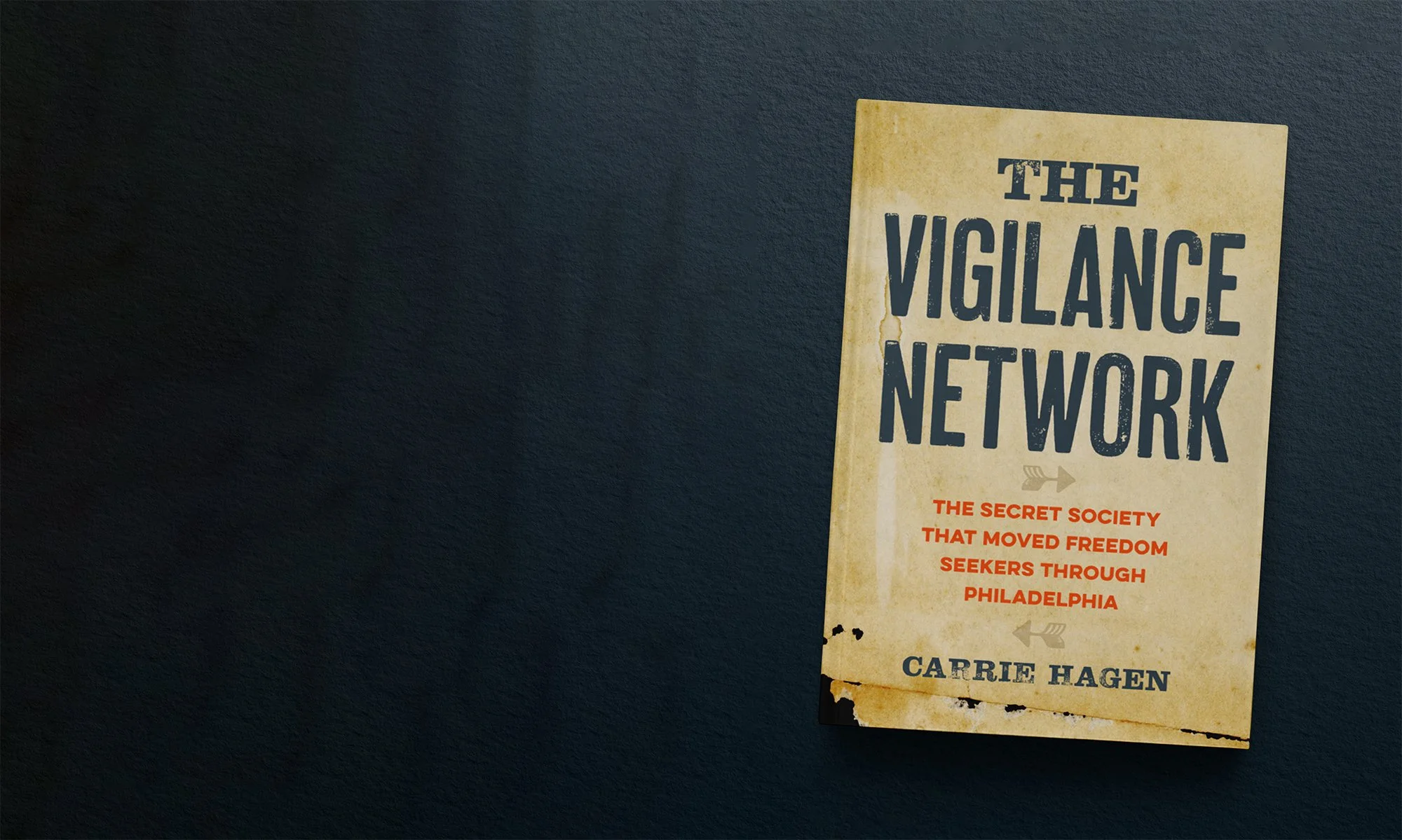

Out December 1st, 2026
The Vigilance Network
The Secret Society That Moved Freedom Seekers Through Philadelphia
The Vigilance Network illuminates the actions of a group of unsung American heroes—the Black and white abolitionists who, driven fiercely by their beliefs and dogged by personal demons, fought threats, prison, and social ostracism to guide freedom seekers in the decades before the Civil War.
While much of Carrie Hagen’s narrative focuses on the offices of the Pennsylvania Anti-Slavery Society in Philadelphia, located just a block away from Independence Hall, she also follows escapees on the Underground Railroad from Maryland to Ontario.
Indeed, characters drive the largely unknown narratives that sit at the center of The Vigilance Network: Robert Purvis, William Still, Lucretia Mott, Hetty Reckless, William Parker, Jane Johnson, and even a brief appearance from Harriet Tubman. By following both abolitionists and escapees—who were sometimes one and the same—through the streets of Philadelphia and its suburbs, Hagen reconstructs the Vigilance Network’s largely unknown role in the Underground Railroad.
A fast-paced and deeply researched work of narrative nonfiction, The Vigilance Network also connects the causes of today’s systemic social injustice to this deep history and reveals what can happen when people refuse to let fear or self-consciousness keep them from assisting the vulnerable.
Images:
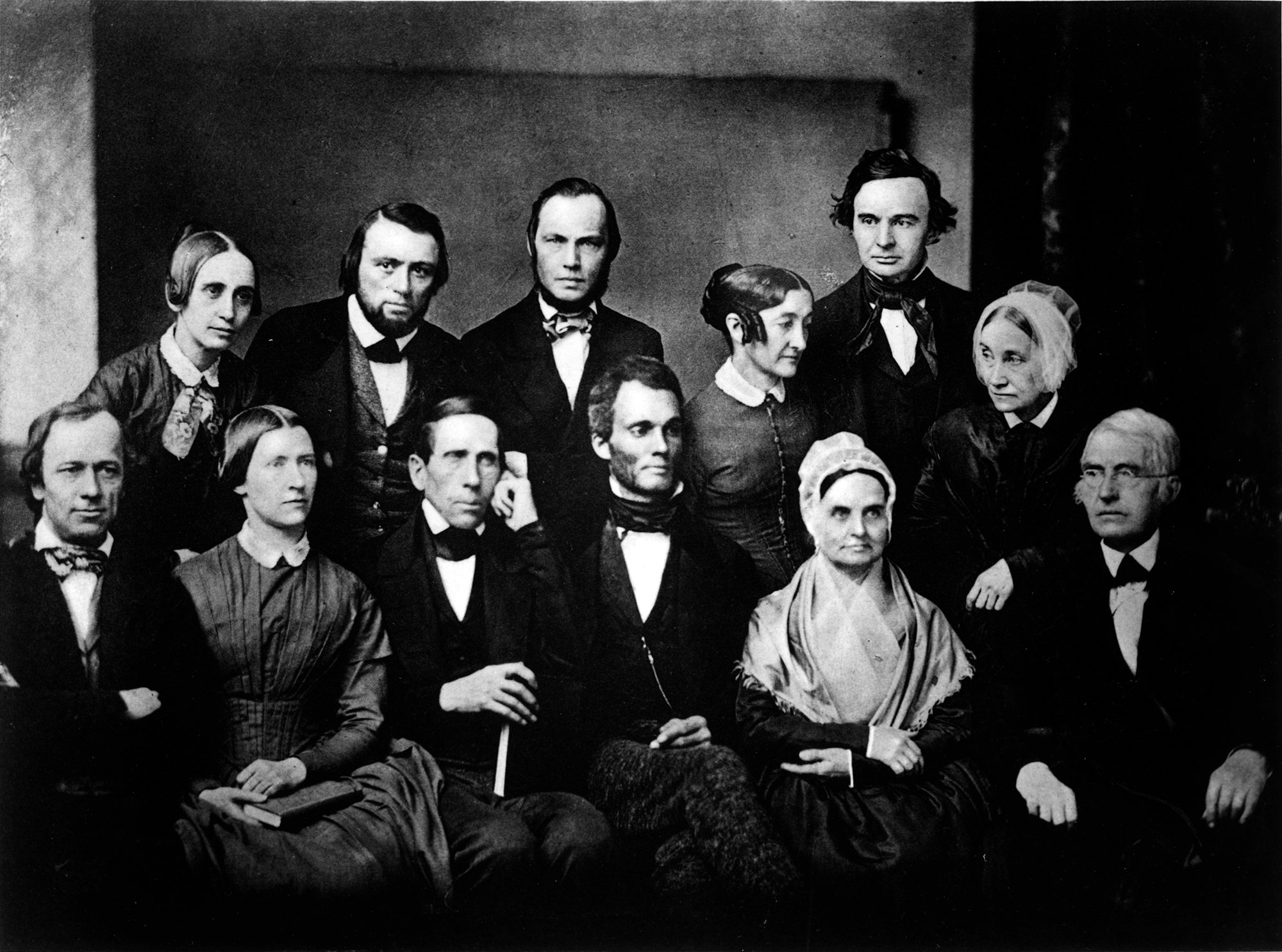
1. The Executive Committee of the Pennsylvania Anti-Slavery Society, taken around 1851. Standing (left to right): Mary Grew, Edward M. Davis, Haworth Wetherald, Abby Kimber, James Miller McKim and Sarah Pugh. Seated (left to right): Oliver Johnson, Margaret Jones Burleigh, Benjamin C. Bacon, Robert Purvis, Lucretia Mott, James Mott. (Courtesy Friends Historical Library of Swarthmore College)
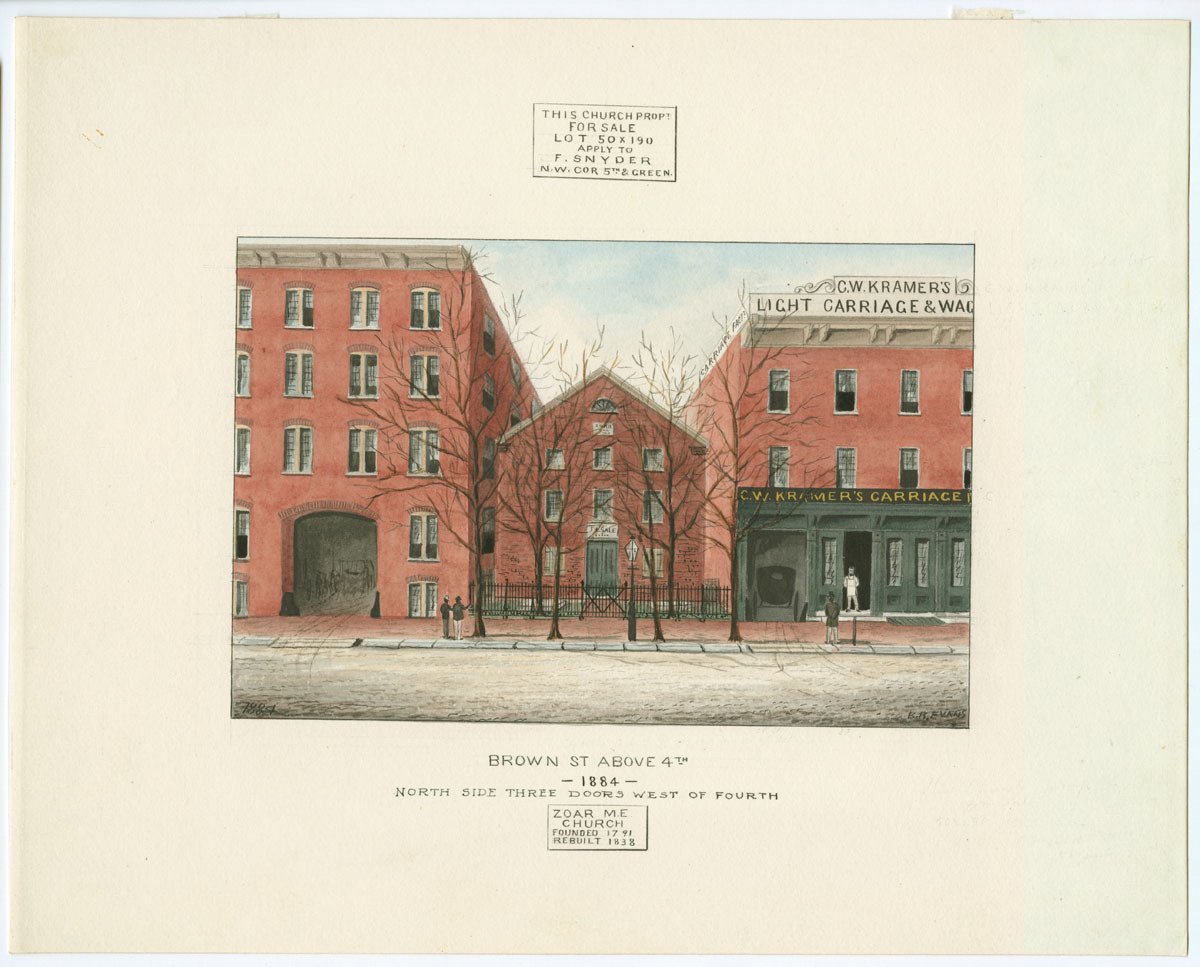
2. Zoar Methodist Episcopal Church, founded in Northern Liberties in 1794 and rebuilt in 1838, held one of the oldest African American congregations in Philadelphia and served as a meeting place for the Vigilance Committee. This painting advertised its property sale in 1884 (Library Company of Philadelphia).
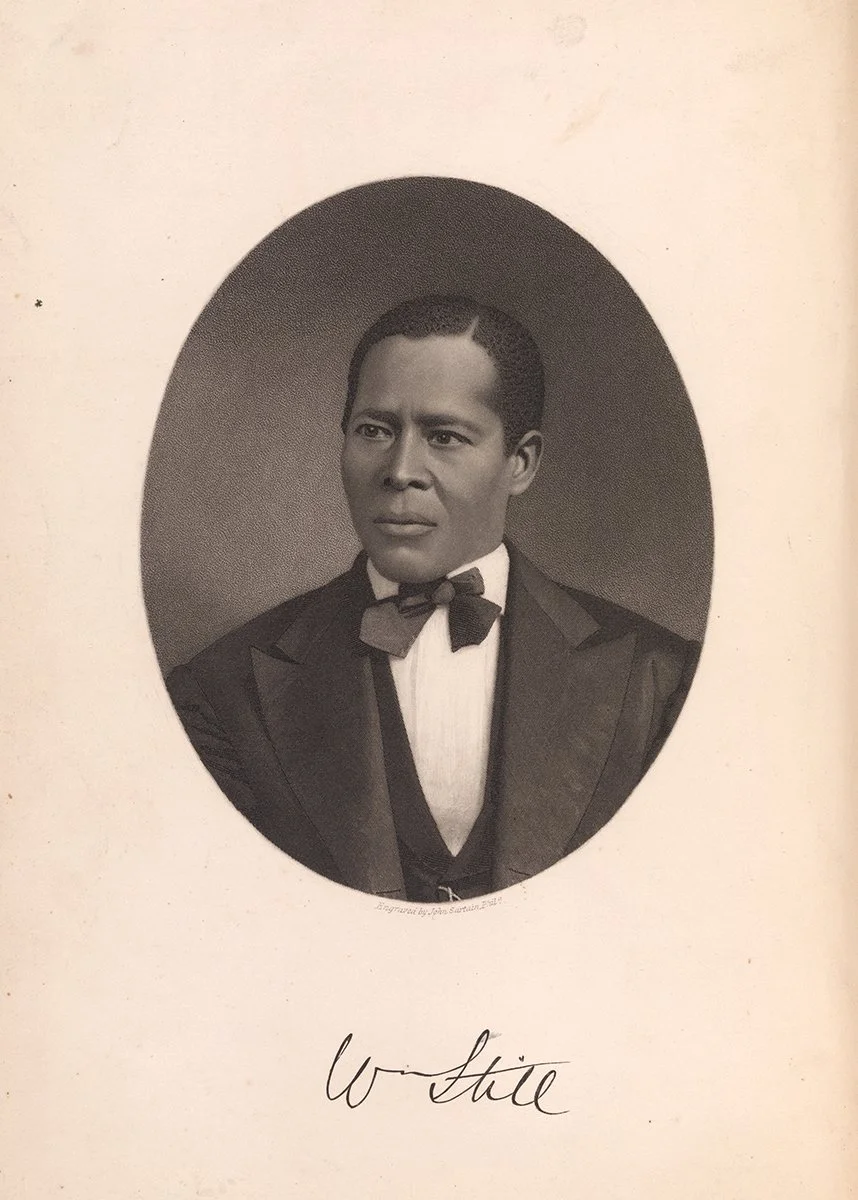
3. William Still used this portrait of himself as the frontispiece for The Underground Railroad, published in 1872 (National Portrait Gallery, Smithsonian Institution).
“A brilliant, chilling page-turner. With style and empathy, Carrie Hagen’s The Vigilance Network brings to life the world of freedom seekers, abolitionists, informants, and everyday Philadelphians in the years leading up to the Civil War. At a time when citizens’ groups for civil rights and mutual aid are once again on the rise, this book is an essential and beautifully told history of movements and conflicts that directly foreground our own time.”
— Stephanie Gorton, author of The Icon and the Idealist and Citizen Reporters